
The compliance landscape is shifting beneath our feet. As we begin 2026 at the Association of Compliance Professionals of Guyana (ACPG), we are not just looking at where the industry is today, but where it is heading tomorrow.
According to the recently released ACAMS Global AFC Threats Report 2026, the convergence of technology, geopolitics, and criminal innovation is creating threats of unprecedented scale. For compliance professionals in Guyana, from banking to the regulated sectors, these aren't just abstract global trends; they are operational realities we must prepare for.
Here are the three key trends shaping our future:
1. The Rise of AI-Driven Scams

Artificial Intelligence is no longer just a tool for efficiency; it has become a weapon for fraud. The report identifies "The Rise and Impact of AI-Driven Scams" as the number one threat for 2026. Generative AI and Large Language Models (LLMs) are enabling criminals to launch hyper-personalized phishing attacks and create deepfakes that can bypass traditional biometric verification. "Fraud-as-a-service" platforms have lowered the barrier to entry, meaning sophisticated attacks can now come from anywhere.
What this means for Guyana: As our digital financial ecosystem grows, so does the risk. We must move beyond box-ticking verification and adopt multi-layered defenses that can detect synthetic identities and AI-generated deception.
2. Geopolitical Fragmentation & Sanctions

The global regulatory environment is becoming increasingly fragmented. "Geopolitical Fragmentation" and the "Operationalizing of Sanctions" are top concerns. Diverging regulations across major jurisdictions (US, UK, EU) create a complex compliance maze. Criminal networks are exploiting these gaps through "deflection", moving illicit activities to jurisdictions with perceived weaker oversight.
What this means for Guyana: As a growing economy with increasing international ties, our institutions must be vigilant. We cannot afford to be a weak link. Standardizing our practices and staying abreast of global sanction changes is critical to maintaining the integrity of Guyana's financial system.
3. Crypto Adoption: Innovation vs. Regulation
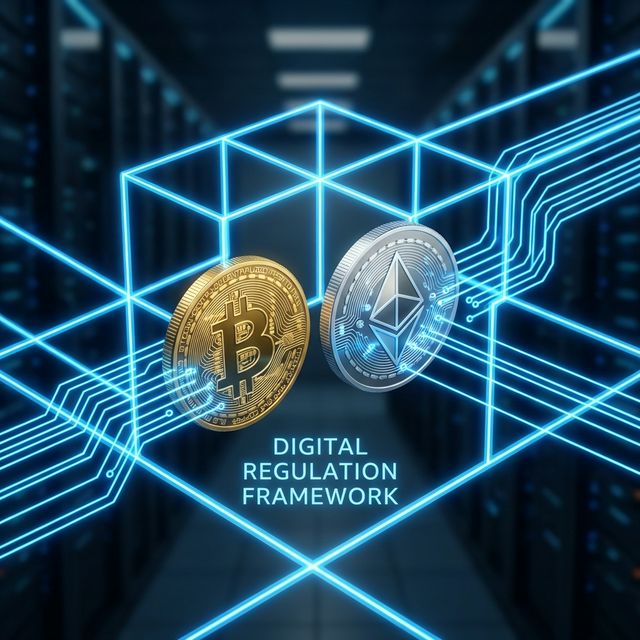
The speed of Crypto Adoption is outpacing compliance readiness. Institutions are racing to integrate digital assets, stablecoins, and blockchain technology to remain competitive. However, regulatory clarity often lags behind innovation. The report highlights a significant skills gap: 50% of surveyed professionals cited "digital assets and Web3" as their most critical capability gap.
What this means for Guyana: We must embrace innovation while managing risk. This means investing in training and development to ensure our compliance officers understand the mechanics of digital assets and the specific AML/CFT risks they pose.
4. The End of Anonymity: Beneficial Ownership Transparency

Regulators worldwide are closing the net on shell companies. The push for Beneficial Ownership Transparency is now a global mandate, driven by initiatives like the US Corporate Transparency Act and EU directives. In 2026, the expectation is absolute clarity: if you can't identify the ultimate human owner, you can't do business.
What this means for Guyana: With our recent AML/CFT legislative amendments, the burden is on reporting entities to verify ownership structures deeply. We can no longer rely on simple registry checks; we must ensure our data is accurate, up-to-date, and accessible to competent authorities.
Read the Full Report
For more in-depth insights, read the full report here: ACAMS Global AFC Threats Report 2026.
The Role of ACPG
These challenges are significant, but they are not insurmountable. The ACPG was founded to help you navigate this exact future. Through training, resource sharing, and a unified voice, we are building a community of professionals equipped to handle the threats of 2026 and beyond.
Stay ahead of the curve. Join ACPG today.